+254792966668
info@nwb.co.ke

This immersive experience with Nature Without Borders (NWB) takes you to Kenya’s stunning coastline, where conservation meets culture.
Based in Kilifi, you’ll take part in a powerful mix of:
Each day blends hands-on learning with real impact, giving you a deeper understanding of nature, sustainability, and local life.
Your experience begins the moment you land at Moi International Airport. Our team will be waiting to warmly welcome you and assist with arrival procedures before beginning your journey north along Kenya’s scenic coastline.
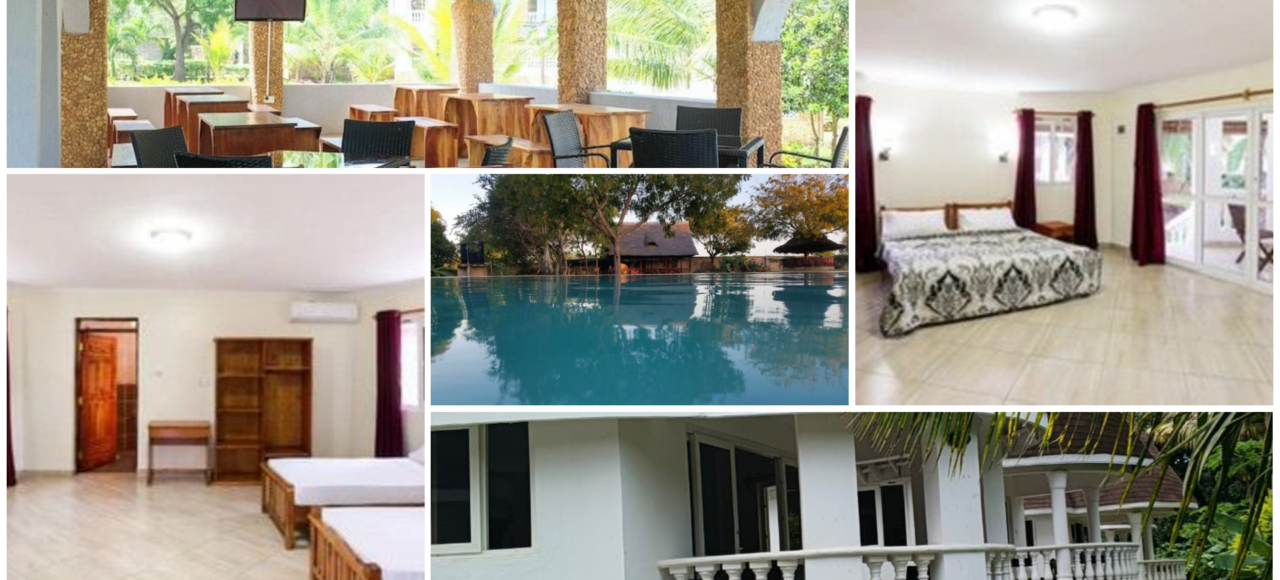
Enjoy a comfortable ride and beautiful scenery to a Private, spacious cottage in Kilifi, designed for comfort and relaxation.
Upon arrival, settle into your tranquil cottage surrounded by tropical greenery. After check-in and orientation, take time to relax by the pool or enjoy the peaceful garden setting.
In the evening, gather for a welcome dinner featuring local Swahili flavors and an introduction to the week’s nature-based learning and conservation activities.
Explore. Learn. Protect.
Your journey without borders begins here
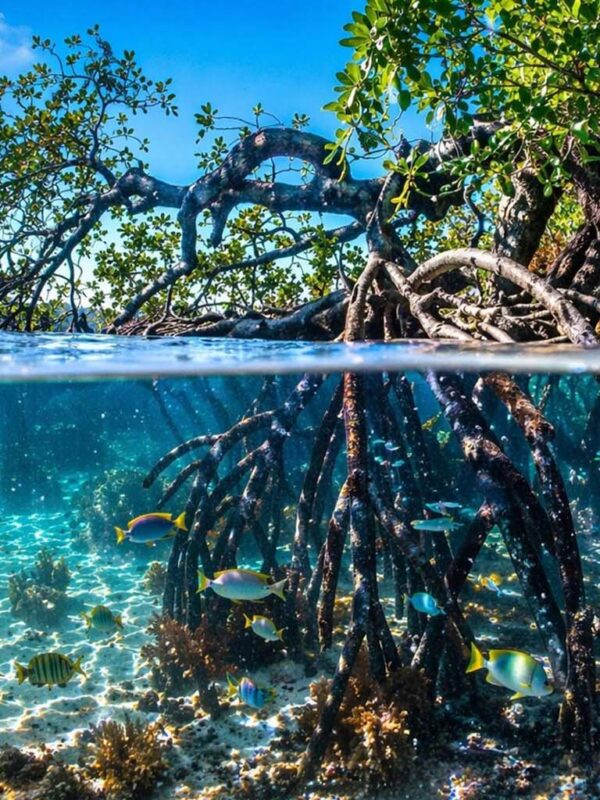
Mangroves are one of the most powerful natural ecosystems on earth — protecting coastlines from erosion, storing carbon, and providing breeding grounds for marine life. Yet, they are under constant threat from human activity and climate change.
Working alongside local conservation teams, you’ll step into this unique ecosystem and experience it first-hand.
You might begin your day walking through winding mangrove channels, learning how these trees support entire marine food chains. Later, you’ll get hands-on — collecting seedlings, preparing nursery beds, and planting mangroves that will protect the coastline for generations to come.
As you work, you’ll see just how closely local communities depend on these ecosystems — and how restoration efforts are helping to secure both environmental and economic futures.
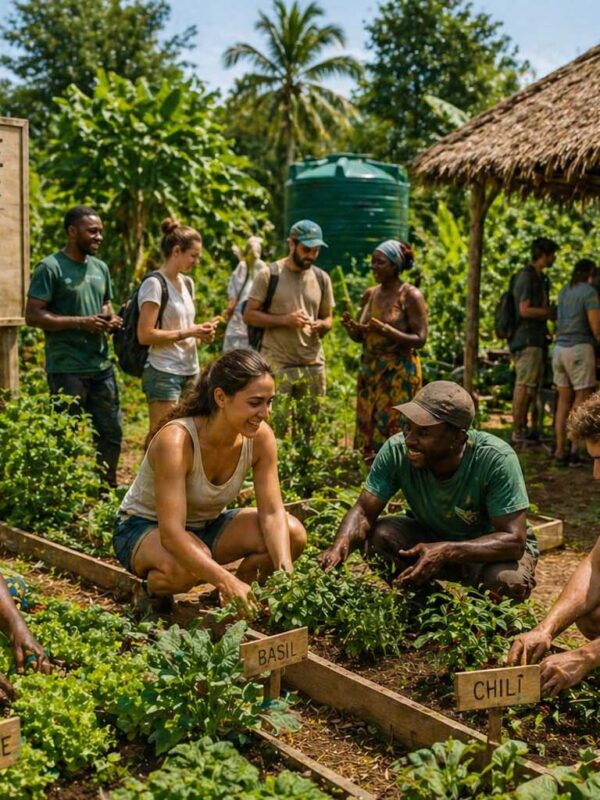
With changing environmental conditions and pressure on natural resources, many coastal communities are rethinking how they produce food.
That’s where permaculture comes in.
You’ll work alongside local practitioners to explore simple but powerful techniques that transform small spaces into productive, sustainable food systems. From composting organic waste to designing water-efficient gardens, every method is built around working with nature not against it.
You might spend your morning building a compost system or learning about soil health, and your afternoon designing a small garden that can feed a family.
What starts as a learning experience quickly becomes something more a practical solution that communities can rely on long after you’ve gone.
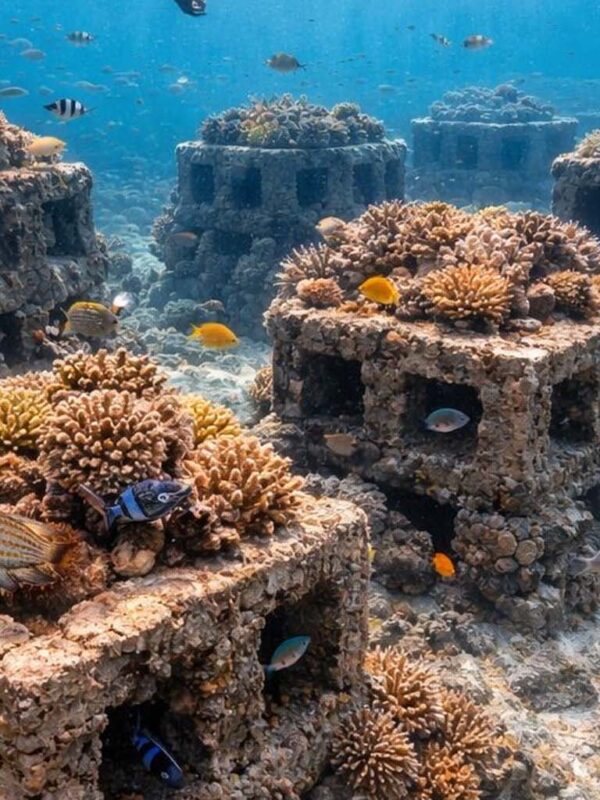
Just offshore lies another world vibrant coral reefs that support thousands of marine species and protect coastlines from powerful ocean currents.
But these ecosystems are fragile.
Through this programme, you’ll get the chance to explore and understand life beneath the surface. With snorkel and mask, you’ll observe reef systems up close, learning how to identify different species and assess reef health.
You’ll also be introduced to coral restoration techniques from understanding how coral nurseries work to seeing how damaged reefs are slowly brought back to life.
It’s a rare opportunity to witness both the beauty of the ocean and the urgent need to protect it.

What makes this experience truly special is the connection you’ll build with the local community.
You’ll step beyond the role of a visitor and become part of everyday life spending time in schools, engaging with students, and supporting environmental education in fun and meaningful ways.
Whether it’s through games, tree planting, storytelling, or simply sharing conversations, these moments create genuine connections.
You’ll also gain insight into local culture, traditions, and daily life learning that conservation is not just about ecosystems, but about people, relationships, and shared responsibility.
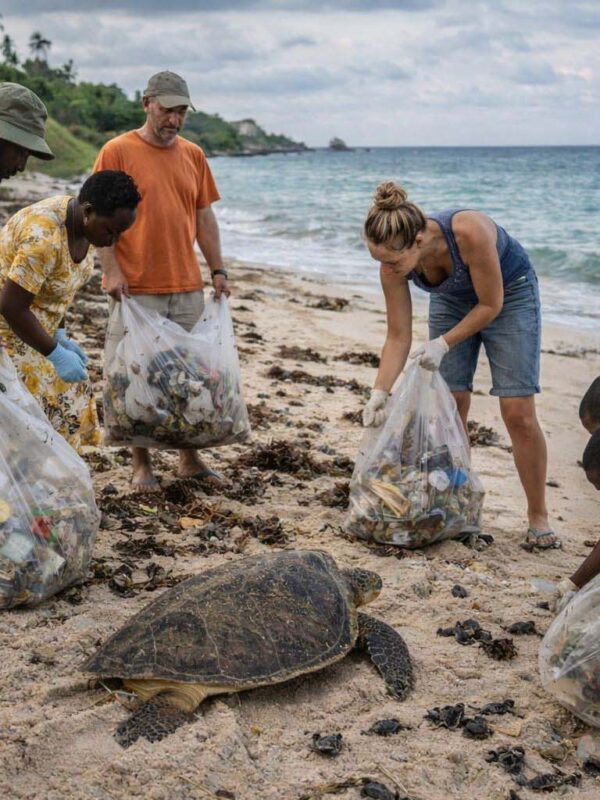
Along Kenya’s beautiful coastline, the impact of pollution is impossible to ignore. Plastic waste threatens marine life, disrupts ecosystems, and damages natural habitats.
By taking part in beach clean-ups, you’ll go beyond simply collecting waste you’ll begin to understand where it comes from, how it affects the environment, and what can be done to reduce it.
You’ll also learn about sea turtle conservation, including how to identify nesting sites and protect these endangered species.
If you’re lucky, you may even witness one of the most unforgettable moments in nature hatchlings making their way to the ocean for the first time.
It’s a powerful reminder of why this work matters.
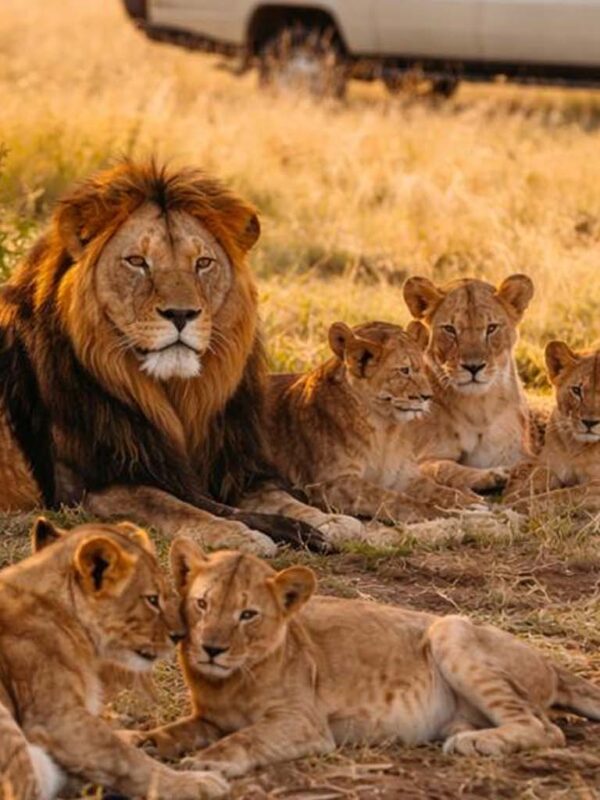
No experience in Kenya is complete without stepping into the wild and Tsavo East offers one of the most iconic safari landscapes in Africa.
Here, the horizon stretches endlessly across open plains, red earth, and scattered acacia trees. It’s a place where nature moves at its own rhythm and where every moment feels raw, real, and unforgettable.
As you enter the park in the early morning light, you’ll begin to understand what makes this ecosystem so special. Herds of elephants, often coated in Tsavo’s famous red dust, move slowly across the savannah. Giraffes roam gracefully between trees, while zebras and antelopes gather near water sources.
You might start your day with a sunrise game drive, tracking wildlife as the park comes to life. Along the way, your guide will help you read the landscape from animal tracks to bird calls giving you a deeper understanding of how everything is connected.
A visit to Lugard’s Falls reveals the power of the Galana River as it cuts through dramatic rock formations, offering a different perspective of Tsavo’s rugged beauty. Later, as the sun begins to set, the entire landscape transforms into warm gold and deep orange the perfect moment for reflection.
But this experience is more than just wildlife viewing.
It’s about witnessing nature in its purest form untouched, unpredictable, and deeply humbling.
You’ll leave Tsavo not just with incredible photos, but with a renewed appreciation for wildlife, conservation, and the importance of protecting these spaces for future generations.